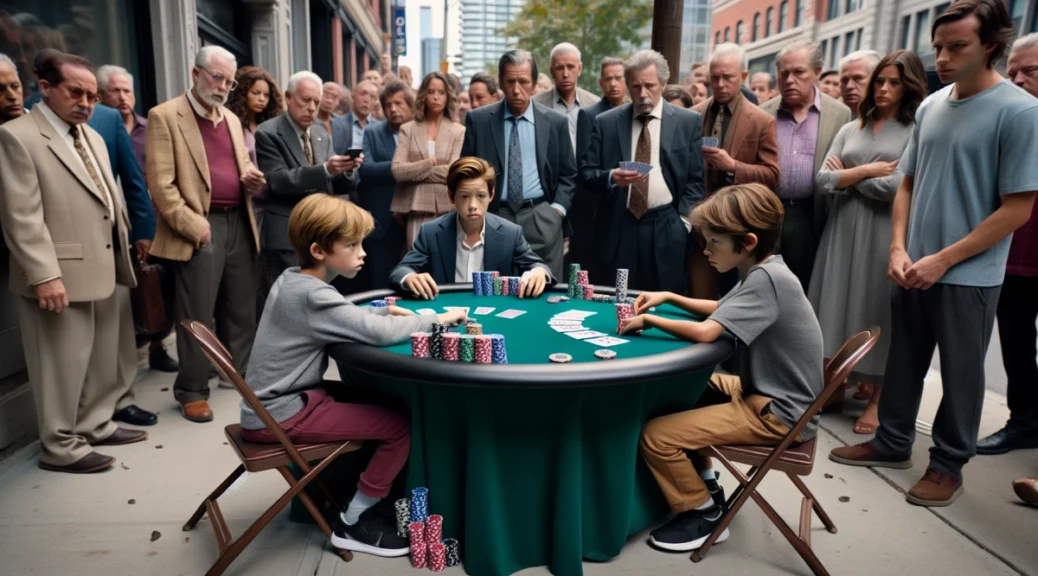
Daniel Negreanu Biography: From Toronto Kid to WSOP Champion — Poker Pros Biographies
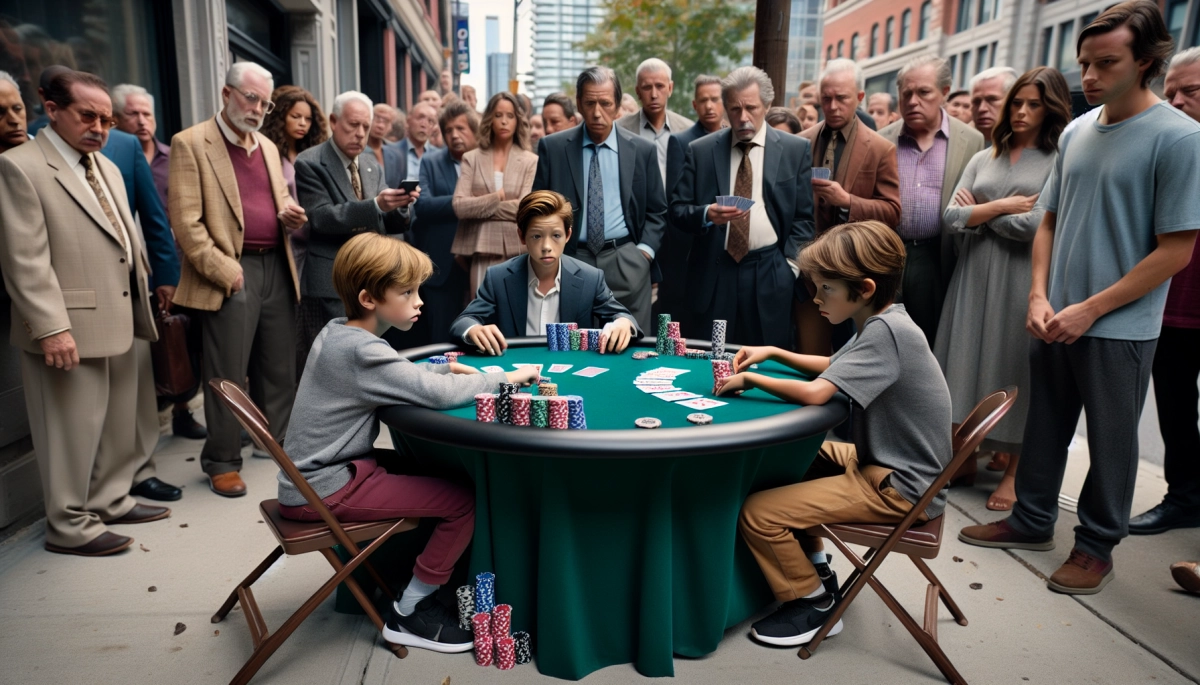
Why Daniel Negreanu’s Early Journey Still Matters to Aspiring Players
You’ll often hear Daniel Negreanu described as one of poker’s most influential figures, but to understand his impact you need to look back at the roots that shaped his style and mindset. Born and raised in Toronto, Negreanu arrived at the tables with a mix of street-smart intuition, a relentless work ethic, and a knack for reading people — traits you can study and apply whether you play casually or aim to go pro.
This section walks you through the formative years that prepared Negreanu for competitive poker: the family and neighborhood dynamics, his first experiences with cards, and the decisions that pushed him from local games to the professional circuit.
Growing Up in Toronto: Family, Neighborhood, and the First Cards
When you explore Negreanu’s childhood, you’ll find a working-class backdrop that emphasized independence. He was born into a family where resources were limited, so creativity and hustle became second nature. These conditions fostered an early love for gambling and games of skill — card games that were often social, informal, and rich with psychological cues.
- Family dynamics: You’ll notice how close family ties and a desire for financial stability influenced his choices.
- Early exposure: By his teens, he was playing in cash games and small-stakes tournaments, refining observational skills that later defined his reads at the table.
- Learning from losses: You can trace how early setbacks taught discipline rather than discouragement, an essential lesson for anyone serious about improving.
These experiences helped Negreanu develop a conversational, observant approach to players — a soft skill you can practice: listening, watching betting patterns, and adapting strategies in real time.
Turning Point: From Local Games to a Full-Time Poker Career
At a certain point you’ll see a pattern in his decisions: the move from casual to committed. Negreanu began taking the game more seriously in his late teens and early twenties. He tested different formats, learned bankroll management the hard way, and eventually made the pragmatic decision to leave Toronto for environments with bigger games and more opportunity.
- Early tournament experience: You’ll find he first cut his teeth in Canadian events and low-to-mid stakes tournaments, which built tournament discipline.
- Relocation and focus: The choice to pursue poker full-time involved travel, sacrifice, and a willingness to learn from stronger opponents.
- Skill development: He prioritized reads, table selection, and study — habits you can adopt when you want to advance your own poker game.
By the time Negreanu arrived on larger stages, he had already converted those Toronto lessons into a consistent approach that combined psychology, adaptability, and a hunger to compete — setting the stage for his breakout results at major events.
Next, you’ll follow how those early choices and skills translated into breakthrough performances at the World Series of Poker and beyond, shaping Negreanu’s reputation as a champion and ambassador for the game.

Breakthrough at the World Series of Poker: Turning Talent into Titles
When Negreanu stepped onto the biggest stages, the skills honed in Toronto translated into results. His early appearances at the World Series of Poker and other major tournaments marked a shift from being a promising grinder to a recognized champion. What matters for you as a student of the game is how those wins weren’t the product of luck so much as a repeatable process: preparation, relentless table selection, and an uncanny ability to turn small edges into big paydays.
On big stages you’ll notice several patterns in his success. He makes disciplined decisions in multi-day events, manages variance by choosing which pots to fight for, and exploits opponents’ mistakes rather than forcing action. He also thrives in high-pressure moments because he treats those situations like data-gathering opportunities — every hand is another piece of information to refine his read. Watching how he navigates deep-stack play, final-table dynamics, and heads-up battles teaches you how to convert accumulated skill into tangible results.
Crafting a Signature Style: Reads, Adaptability, and Table Talk
One of Negreanu’s defining characteristics is his human-first approach to poker. He builds reads through conversation, posture, timing, and betting patterns — then he adapts. Rather than rigidly following a single system, he adjusts ranges, bet sizing, and aggression based on who sits across from him. For aspiring players, this is a crucial lesson: technical knowledge is necessary, but the ability to change gears in real time is what separates the best from the rest.
Negreanu’s table talk is not just personality; it’s strategy. He uses chat to induce mistakes, extract information, and sometimes to mask strength. He’s also disciplined about folding when the evidence points against him — a habit often undervalued by beginners who fear losing pots but end up losing chips. Studying his hands reveals a balance between calculated aggression and timely surrender, a blend that keeps opponents off balance and maximizes long-term expectation.
Ambassador of the Game: Media, Coaching, and Building a Poker Career
Beyond the felt, Negreanu expanded his influence through media, coaching, and savvy branding. He embraced televised poker, authored strategy content, and built a public persona that made him approachable to fans and profitable to sponsors. This off-table work extended his career and turned tournament winnings into a sustainable business. For anyone thinking about poker as more than a hobby, his model is instructive: diversify income through content, endorsements, and teaching while maintaining credibility at the tables.
He also helped normalize the idea that professional poker can be a long-term career with responsible bankroll management, continuous study, and a willingness to evolve. Whether you want to climb the tournament ladder or simply play better home games, Negreanu’s path shows that success comes from combining technical skill with personal branding and a constant appetite for improvement.
Legacy and the Road Ahead
Daniel Negreanu’s career is more than a list of trophies — it’s an evolving example of how curiosity, adaptability, and a people-first mindset can shape a life in poker. His willingness to learn, to teach, and to engage with the game publicly has kept him relevant across changing eras of play. For players and fans alike, that ongoing engagement is where the real value lies: not only in past victories, but in the way a champion continues to influence strategy, etiquette, and the broader culture around the felt.
If you want to explore his work further, his official site offers updates on his projects and insights into his current thinking: Daniel Negreanu’s official site.
Frequently Asked Questions
How did Daniel Negreanu develop his skill for reading opponents?
Negreanu honed his reads through extensive live play in small games, careful observation, and active table talk. He combined psychological awareness with disciplined review of hands, using each session as an opportunity to refine patterns in timing, betting, and body language.
What major titles and milestones defined Negreanu’s career?
His career includes multiple World Series of Poker bracelets, high-profile tournament wins, and a reputation as one of the game’s most recognized ambassadors. Beyond results, milestones include his media presence, coaching contributions, and role in popularizing televised poker.
How can aspiring players apply Negreanu’s approach to their own game?
Emphasize continuous learning, study opponents as much as strategy, and diversify how you engage with poker (playing, studying, creating content). Maintain bankroll discipline and adaptability—traits Negreanu modeled throughout his development from local games to major events.