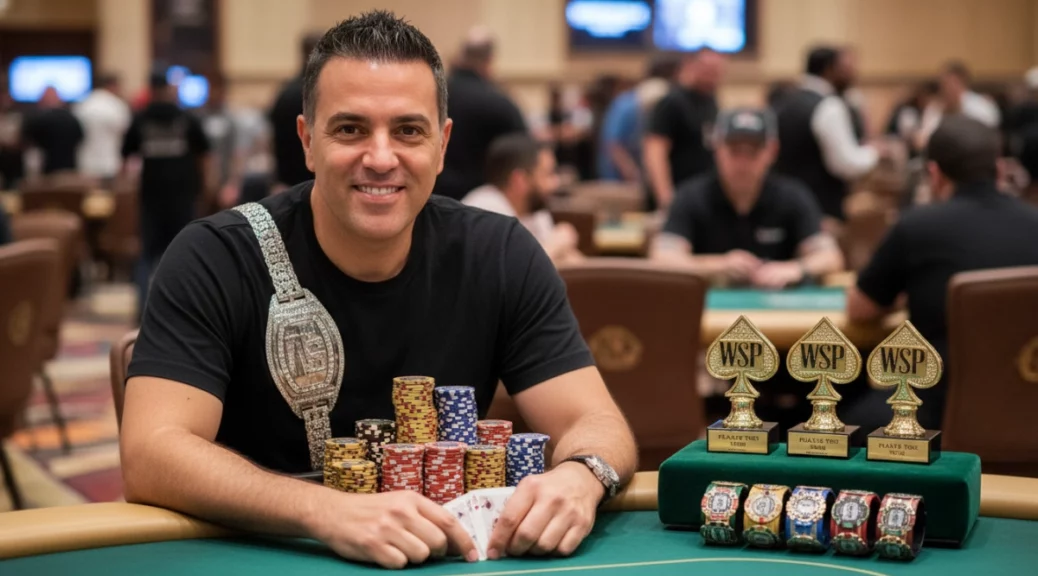
Michael Mizrachi World Series of Poker: How He Built His WSOP Record
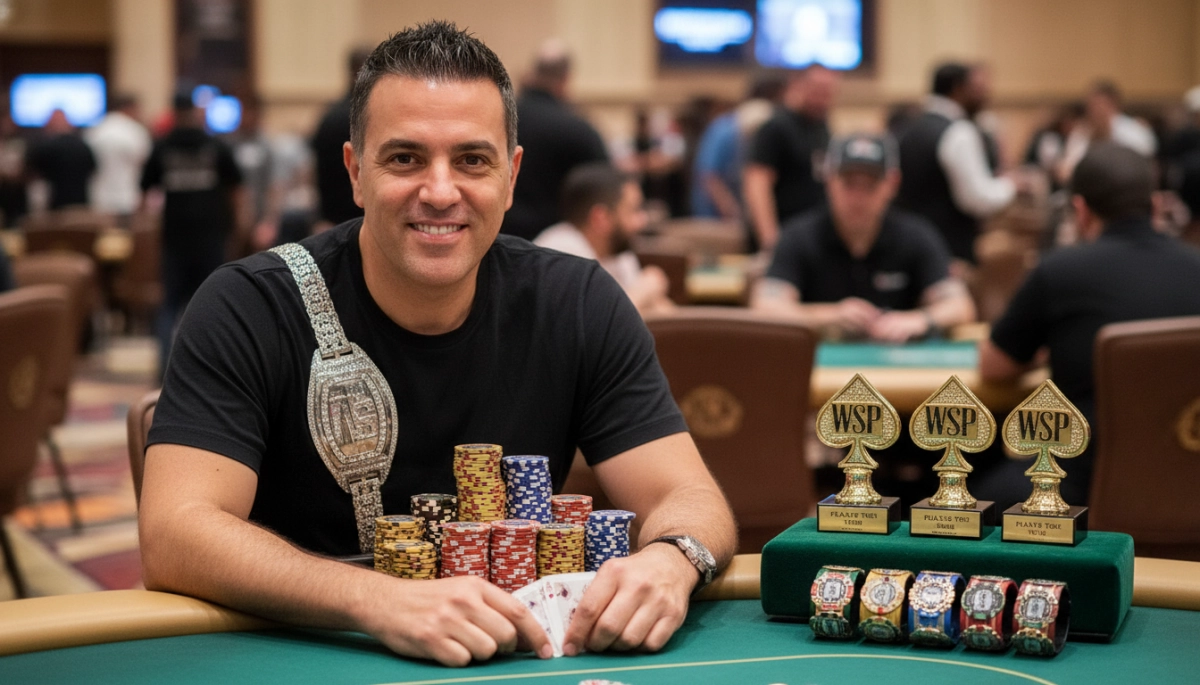
How Michael Mizrachi first made a mark at the World Series of Poker
You’ll want to understand Mizrachi’s early path before you can appreciate the full scope of his WSOP achievements. Known on the circuit as “The Grinder,” he didn’t become a headline name overnight. Early on, he combined steady volume, careful bankroll management, and a willingness to learn from each table — traits you can track across his rising results at the World Series of Poker.
When you examine his beginnings, notice three consistent themes: commitment to live tournament play, focused self-improvement, and a reputation for reading opponents. Those foundations allowed Mizrachi to convert steady cashes into deep runs, and then into headline-grabbing final tables. The WSOP environment — long days, varied structures, and diverse fields — rewards that blend of endurance and study, which is exactly the environment Mizrachi used to build momentum.
What set his approach apart in the early WSOP years
- Volume and endurance: You’ll see that Mizrachi treated major series as a grind, entering many events and using the experience to sharpen intuition and timing against large fields.
- Attention to table dynamics: Instead of relying solely on rigid strategy charts, he adjusted to opponents’ tendencies — a skill you can replicate by watching for patterns and exploiting repeated mistakes.
- Mental preparation: Mizrachi emphasized resilience during long tournaments. You should study how he managed tilt and saved emotional energy for critical decisions late in events.
Early tactical choices and routines that helped create a WSOP record
To copy parts of Mizrachi’s trajectory, focus on the tactical choices he made early on. He favored deep-stack events and mixed game experience to diversify his skills; that meant when you face unusual formats at the WSOP, you’re less likely to be out of your depth. You’ll also notice he refined an aggressive-but-selective style that allowed him to pressure the right opponents without overreaching.
Practical routines supported those tactics. You should pay attention to how consistent practice, selective play, and review sessions worked together. Mizrachi’s early career review habits included analyzing key hands, discussing lines with peers, and adapting quickly to new metagames — all steps you can implement to accelerate improvement.
How relationships and table image contributed to long-term success
Mizrachi’s network of fellow pros and his evolving table image gave him strategic edges. You’ll find that building respect at the tables — and an awareness of how opponents perceive you — matters as much as hand selection. Early interactions and a reputation as a tough but fair competitor helped him secure advantageous spots and extract more value when it mattered.
With these elements in place — disciplined volume, adaptive tactics, targeted routines, and a strong table image — Mizrachi laid the groundwork for the bracket of high-profile wins that followed. In the next section, you’ll examine the specific bracelet victories and defining hands that turned that groundwork into a lasting WSOP record.
Bracelet victories that defined Mizrachi’s legacy
When you catalog Mizrachi’s bracelet wins, a pattern emerges: versatility and timing. He didn’t confine his success to one format or one opponent pool; instead, his bracelets span different structures and skill sets, showing he could retool his game for whatever the table demanded. That versatility is a core reason his WSOP record resonates — it isn’t just a collection of lucky runs, but repeated demonstrations of skill across changing conditions.
Across those title matches you’ll notice two recurring traits. First, he used aggression as a tool, not a habit. Mizrachi applied pressure selectively — turning up the heat against medium-strength opponents who folded too often, and tempering bets when facing callers who would punish overextension. Second, he capitalized on timing. Whether accumulating chips pre-flop with well-chosen raises or making a decisive shove in a late-stage hand, his wins reflect a consistent sense for the moments that matter.
There’s also a narrative of resilience threaded through these victories. Tournament poker is largely battles against variance, and Mizrachi’s wins came after stretches of tough beats and near-misses. Instead of allowing those setbacks to redefine his approach, he used them to refine it: more rigorous hand review, tighter ICM decisions when required, and psychological resets between deep runs. You’ll see that this discipline — the ability to learn rather than react — converts strong players into repeat champions.
Defining hands and in-tournament adjustments you can learn from
Look beyond the headline final hands and focus on the small, repeatable adjustments that appear across Mizrachi’s deep runs. In many final tables he earned chips not through one spectacular call but by winning multiple medium-sized pots where opponents leaked value. Those pots often share common features: positional awareness, controlled aggression, and an ability to fold to resistance when a line clearly failed.
Study a few types of hands that recur in his footage and reports:
- The positional squeeze: He frequently turned a multiway limp into a profitable pot by raising from position, forcing marginal hands to fold while isolating a single opponent he could outplay post-flop.
- The river check-call: Instead of overbluffing on later streets, Mizrachi would blend in thin value calls when board textures and bet patterns aligned — a disciplined approach that wins small but consistent pots.
- The ICM fold and shift: Late in events he demonstrated an ability to forgo marginal equity in a hand to preserve tournament life, then rebuild by picking optimal spots to attack — a lesson in timing and risk management.
Those are the operational lessons. On the psychological side, his in-tournament adjustments mattered as much as any bet sizing: shorter conversations between hands to conserve focus, controlled hydration and nutrition during multi-day swings, and a readiness to change tempo (tightening or loosening) when table composition shifted. If you want to emulate his approach, practice the micro-decisions — positional bets, selective bluffs, and ICM-aware folding — and pair them with a routine that safeguards decision quality over long sessions. That combination is what turned individual great hands into a lasting WSOP record.
Putting Mizrachi’s mindset into action
If you want to work from Mizrachi’s example without retelling his career, focus on the habits that sustain peak performance rather than the trophy moments. These are practical, repeatable behaviors you can begin applying today.
- Schedule deliberate volume: plan play that balances hands-on experience with focused study sessions.
- Prioritize recovery: treat multi-day events like athletic contests—sleep, nutrition, and short mental resets matter.
- Refine one adjustment at a time: pick a micro-skill (positional squeezing, thin river calls, or ICM folds) and practice it until it becomes automatic.
- Keep a review loop: record key hands, discuss them with peers, and iterate your approach based on results, not emotion.
- Build and manage image: be aware of how opponents view you and use that perception deliberately, not haphazardly.
Adopt these behaviors consistently and you’re more likely to convert deep runs into sustained results. For event specifics, schedules, and official resources, see the World Series of Poker.
Final thoughts
Mizrachi’s record is less about isolated brilliance and more about a discipline that compounds over time. Whether you’re aiming for a bracelet or steady improvement, commit to the same process-oriented approach: small, consistent gains that stack into lasting progress.