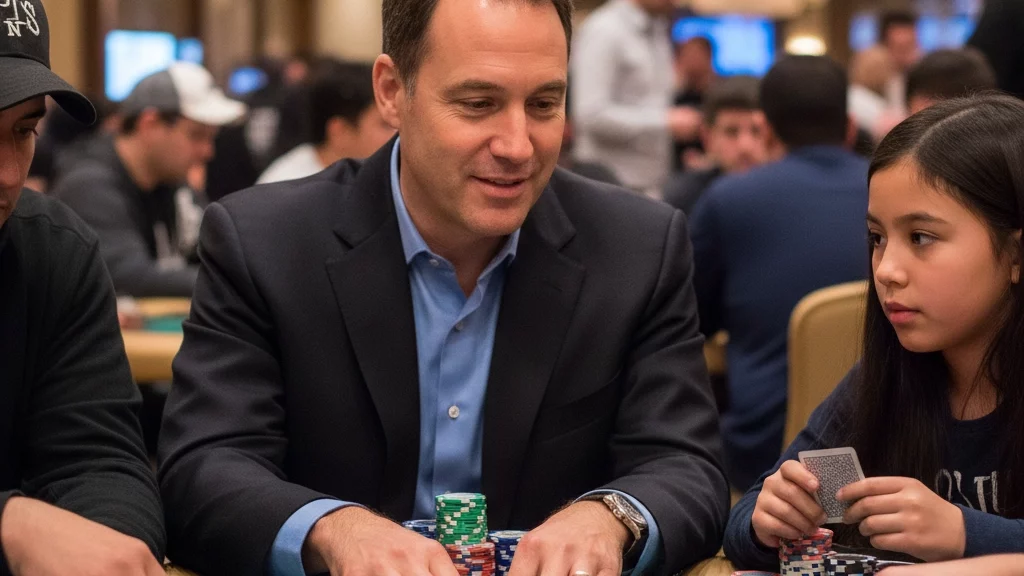
How to Play Like Daniel Negreanu: Poker Strategy Tips for Aspiring Pros
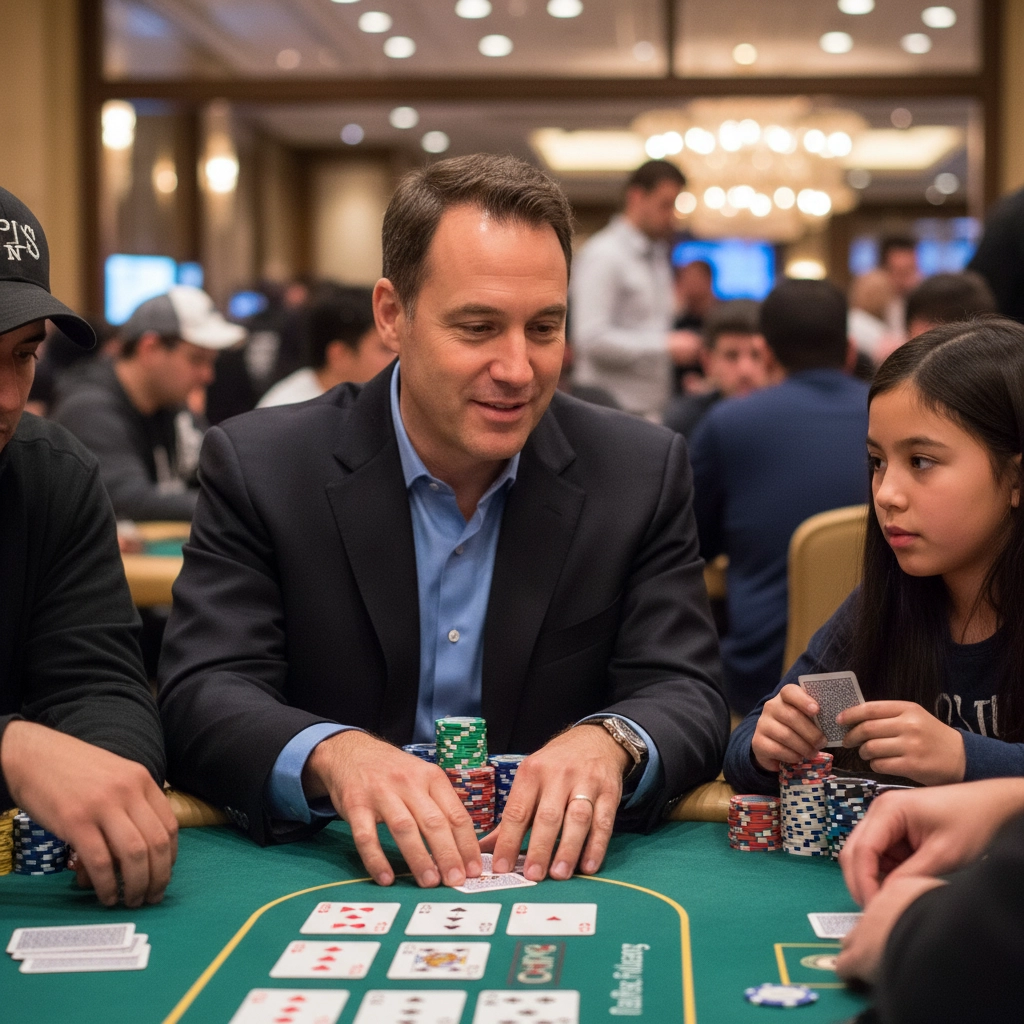
Why Daniel Negreanu’s Style Is Worth Emulating at Your Table
You don’t have to copy every detail of a champion’s career to gain from their approach. Daniel Negreanu is widely respected because he blends sharp observational skills, flexible strategy, and strong emotional control into a practical, repeatable process. When you study his game, you’re learning how to turn information into profitable decisions rather than relying on luck or rigid rules.
Negreanu’s strength lies in extracting tells from betting patterns, timing, and story-telling — then translating those reads into hand-range work. If you want to play more like him, focus on becoming a better observer, clearer thinker, and more adaptable decision-maker. This is useful whether you play live cash games, tournaments, or online rings; the principles transfer across formats.
In the sections that follow, you’ll start building the toolkit Negreanu uses: reading opponents, constructing and updating ranges, managing table image, and learning how to adjust in real time. These are practical skills you can practice immediately at lower stakes and scale up as you improve.
Build the Core Skills Negreanu Uses: Reading, Ranging, and Adjusting
Sharpen your opponent-reading muscles
Negreanu treats each opponent as a puzzle. You should do the same: observe betting sizes, reaction times, and how players handle past showdowns. Make simple notes in your head or on a physical notepad after hands. Over time, you’ll recognize patterns — who bluffs lightly, who overbets when strong, and who folds to pressure.
- Watch for deviations from baseline behavior; those are often the most informative.
- Assign short labels mentally (e.g., “sticky caller,” “timed bluffer”) to guide future decisions.
- Prioritize reads from players you’ll face repeatedly in a session or tournament.
Think in ranges, not single hands
One of Negreanu’s signatures is approaching play with ranges. Instead of asking “Does he have top pair?” ask “What range does this betting line represent?” Construct a plausible range for your opponent based on preflop actions and then narrow it with each subsequent street. This habit reduces errors caused by fixating on single hands and helps you choose lines that work against the whole range.
Use position and image to steer pots
Position is a lever you can use every hand. Acting last gives you informational and control advantages that Negreanu leverages aggressively. Combine position with a conscious table image: if you’ve been loose and showy, opponents will call lighter; if you’ve been tight and calculated, your bets get more credit. Learn to shift your image deliberately to create profitable opportunities.
Practice adaptive thinking and emotional control
Finally, flexibility and tilt management are core. When a line fails, adjust rather than repeat it. Negreanu advocates quick adaptation and disciplined bankroll/mindset management. Build routines to reset after bad beats: short walks, focused breathing, or reviewing a hand calmly. This prevents small losses from dictating your strategy.
Now that you’ve seen the foundational skills Negreanu applies, the next section will show concrete hand examples and decision frameworks you can practice to internalize these concepts.
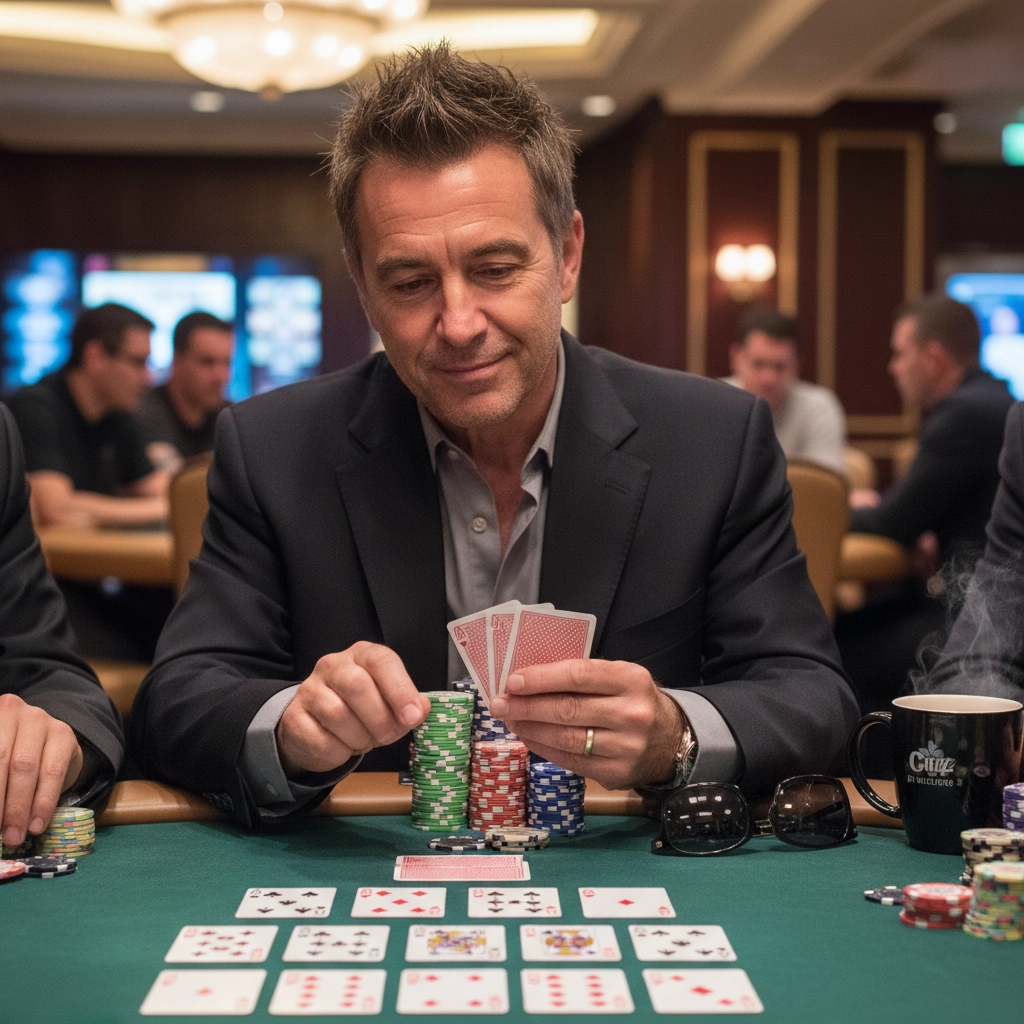
Street-by-street Decision Framework: Questions to Ask Like Negreanu
When Daniel Negreanu talks through a hand, he breaks it down into a short list of questions for each street. You can adopt that habit to reduce emotion and increase clarity. Use this simple framework every time you face a decision:
Preflop
– What range did my opponent open/3-bet from this position?
– How does my hand perform against that range (dominated, coinflip, equity favorite)?
– What is my plan if I hit or miss the flop? (Value, bluff, pot control, fold)
Flop
– What hands in his range connect with this texture, and which don’t?
– Does his bet size represent protection, value, or a probe?
– What hands will continue vs. fold to pressure? Can I credibly represent those with my line?
Turn
– Has the turn materially changed ranges (added draws, completed combos)?
– If I bet/raise, which parts of his range fold and which continue? Am I narrowing toward hands I beat?
– If I check/call, am I allowing bluffs or giving up value — which is better here?
River
– Does his betting line make sense for bluffs versus thin value?
– What bluffs does he have in his river range, and do I block or unblock them?
– If I call and lose, what will I learn about his remaining tendencies?
Use these questions to force structured thinking. The goal is not perfect answers but consistent process: gather info, map it to ranges, decide on an action that profits against those ranges over time.
Concrete Hand Examples: Reading, Ranging, and Actioning
Example 1 — Live cash game, you’re on the button with AJs, CO opens to 2.5x, you call, blinds fold. Flop K-9-3 rainbow, CO bets half pot.
– Range read: CO’s open from CO is wide; continuation bet on a K-9-3 rain likely includes AK, Kx, many AK/KT, some backdoor bluffs.
– Action logic: Your AJs has showdown value and backdoor equity. Against a half-pot bet, a call is sensible to keep worse hands and bluffs in. If turn pairs the board or completes obvious draws, re-evaluate for pot control or check-raise.
Example 2 — Tournament bubble, cutoff opens, you 3-bet light from button with QJo to isolate a loose-steal.
– Flop 10-8-2 with two hearts, cutoff calls. He leads small.
– Range read: A small lead on a dry board can be a probe or a protection bet. Against a wide opening range, many hands (pocket pairs, broadways) will make this lead.
– Action logic: A raise here can fold out pure air and protect your equity, but it commits you if called. Negreanu often balances aggression with survivability—choose a sizing that accomplishes one goal (fold out draws) while preserving fold equity when tournament life matters.
Practical Drills to Internalize the Process
– Reconstruct hands: After a session, write 10 hands and list the opponent’s range at each street. Compare your decision with alternative lines.
– Live observation: Sit out for a few rounds and only take notes on two players — their opening ranges, bet sizes, and showdown tendencies. Convert notes into short labels.
– Bet-sizing experiments: In cash games, deliberately vary your c-bet sizes for a set of hands to learn which sizes fold out what ranges and which get called.
– Cold-call practice: Play small-stakes sessions where you emphasize calling preflop with speculative hands and practice turn/river decisions to build postflop comfort.
These drills reinforce the habit of asking structured questions and building ranges — the core of playing more like Negreanu. Practice them regularly and review your play with honest notes; the improvements compound quickly.

Putting It Into Practice
Playing more like Daniel Negreanu is less about imitation and more about adopting a process: observe deliberately, think in ranges, and adjust quickly. Start small—apply one concept per session (for example, focusing solely on range construction or on reading bet-sizing tells) and review the results. Consistent, focused practice creates the mental shortcuts that let you make better in-the-moment choices under pressure.
Keep good habits: take notes, review hands objectively, protect your bankroll, and build routines to manage tilt. Study other players and resources to broaden your toolkit—there’s no single “right” way to play every situation. For more on his approach and content you can study, visit Daniel Negreanu’s site.
Above all, treat improvement as iterative. Wins and losses both contain information; extracting that information consistently is what separates casual players from pros over the long run.
Frequently Asked Questions
How do I start thinking in ranges instead of single hands?
Begin by assigning a simple preflop range to opponents based on position and action (tight, standard, wide). On each street, eliminate combinations that are impossible given their actions (folds, checks, or bets) and update the remaining range. Use practice drills—reconstructing hands and labeling opponent ranges—to make this process automatic.
What are the most reliable live tells to watch for at low- to mid-stakes tables?
Timing and bet sizing are the most consistent tells: quick calls or bets often indicate marginal hands or automatic responses, while pauses can signal decision points (strong hands or bluffs). Watch how players behave after showdowns to set baseline labels (e.g., “sticky caller”). Deviations from that baseline are usually the most informative.
Can I apply Negreanu’s methods when playing online where physical tells are absent?
Yes. Replace physical tells with betting patterns, timing patterns, and statistical tendencies. Use hand histories and HUDs where allowed to build ranges and identify tendencies. Focus on the same core process—observe, range, and adjust—and use online-specific drills like varying bet sizes and reviewing session hand histories to accelerate learning.