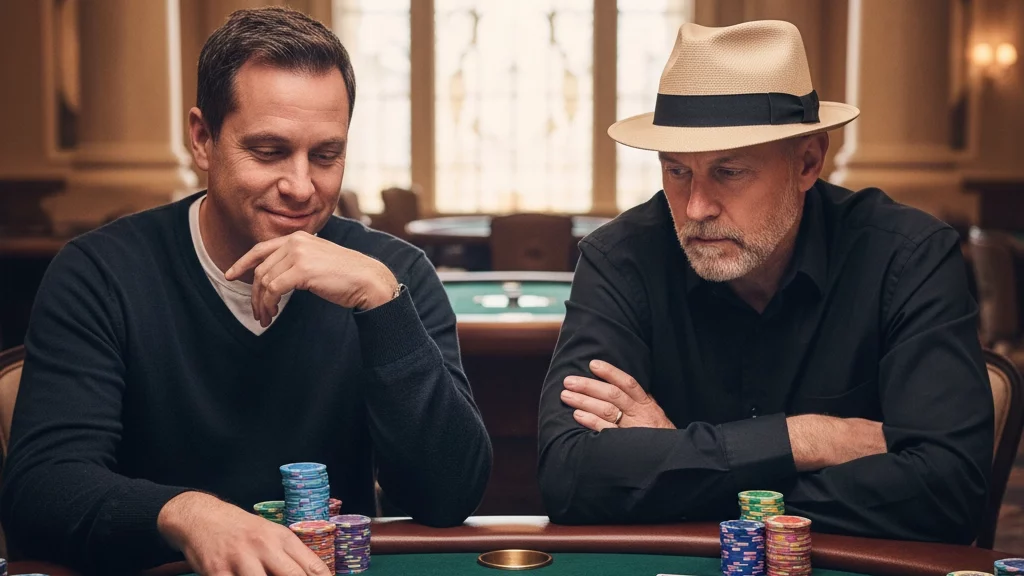
Top Strategies Used by Famous Poker Players — Learn from Negreanu & Hellmuth
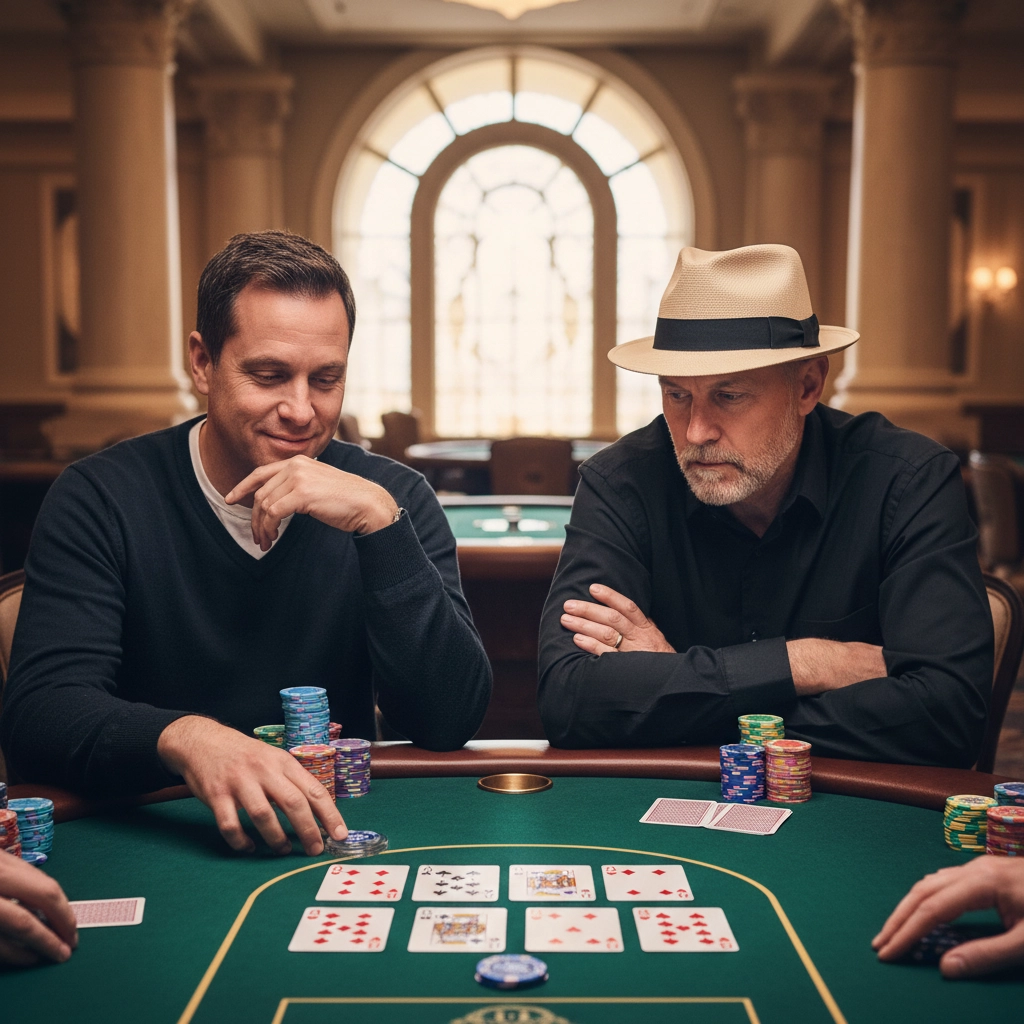
Why studying Negreanu and Hellmuth will sharpen your poker instincts
You learn fastest when you study top players who have proven concepts across decades. Daniel Negreanu and Phil Hellmuth represent two different but complementary approaches: Negreanu excels at hand reading and adaptive play, while Hellmuth often uses pressure, timing, and image to force mistakes. By examining what they prioritize, you can pick specific habits to practice at your stake level and fold the parts that don’t fit your personality.
This section focuses on the mental frameworks and early tactical choices these pros use most often. You’ll see actionable ways to adopt their strengths — from refining preflop ranges to improving postflop questioning — without copying their every move. Think of their strategies as templates you tune to your comfort and table dynamics.
How Negreanu’s hand-reading and adaptive approach gives you an edge
Negreanu’s game is built on interpreting information: bet sizing, timing, body language (live), and tendencies to construct ranges rather than guessing single hands. When you start viewing opponents’ actions as range clues, you make fewer catastrophic calls and more profitable bluffs.
- Practice range-thinking: Instead of asking “What does he have?” ask “What range of hands does this action represent?” Build that range from the player’s opening frequency and the board texture.
- Use sizing as information: A tiny bet often indicates a weak value or a blocking attempt; a larger sizing tends to polarize. Catalog common sizings and the hands you’ve seen with them.
- Adjust quickly: If an opponent shifts from passive to aggressive, narrow their range toward stronger hands and tighten your calling threshold unless you have a plan to exploit over-aggression.
- Take notes and patterns: Whether online or live, track how players respond to raises, 3-bets, and continuation bets over a session. Negreanu’s success came from compiling small patterns into a reliable profile.
These practices let you convert ambiguous spots into mathematically favored decisions more often. They also reduce tilt because you make decisions based on observable trends, not emotion.
Adopt selective aggression and table pressure like Hellmuth
Phil Hellmuth’s reputation comes from creating situations where opponents fold better hands. He often uses preflop aggression, position, and timing to build pots when he’s ahead and to push marginal hands off equity. You can borrow his pressure tactics without becoming reckless.
- Identify fold equity spots: Raise when the pot odds and opponent tendencies give you a high chance they fold better hands.
- Use position as a weapon: In late position, widen your raising range to steal blinds and to control postflop narratives.
- Apply consistent pressure: Convert a tight image into profit by three-betting and continuation-betting more often against callers who dislike tough decisions.
- Manage tilt and image: Hellmuth’s emotional swings teach you this: protect your image and use it; don’t let emotions dictate key raises or folds.
Combining Negreanu’s analytical range work with Hellmuth’s pressure-oriented sizing creates a flexible, exploitative game. Next, you’ll see how to practice these tactics with drills and sample hands that translate theory into table-ready decisions.
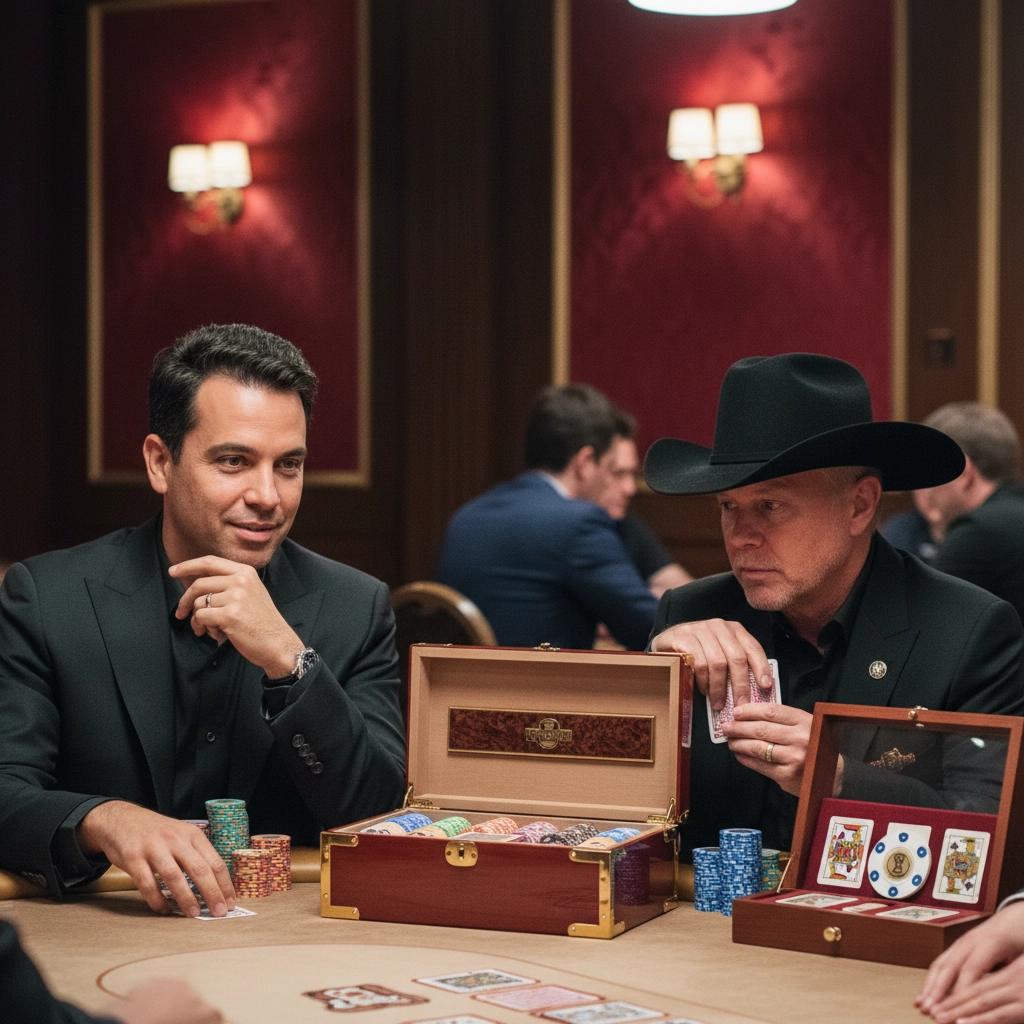
Practice drills to train Negreanu-style reading and Hellmuth-style pressure
Raw theory becomes usable only after focused repetition. Build a short practice routine you can run 3–5 times a week that drills the two complementary skillsets: range construction and exploitative pressure.
- Range-construction drill (20–30 minutes): Take 50 hands from recent sessions (or a hand-history generator). For each, write down the most likely range for each player after every action (preflop, flop, turn). Compare your ranges to the showdown hand or to solver outputs. Aim to tighten or widen your ranges by one category each week.
- Sizing-recognition catalog (15 minutes): Track common bet sizes you face and the hands shown down with them. Create a one-page cheat sheet: “~30% pot = blocking/weak value 40% of time; 60–80% = polarized.” Review before sessions.
- Pressure-training (30 minutes): Play short-stacked and full-stacked sit-and-go sets where you intentionally add one extra aggression move per orbit (a 3-bet, a delayed continuation bet, or a river shove). After each move, note whether fold equity justified it and what reads influenced your sizing.
- Live timing and image exercise (10 minutes): In live games or video replays, pause and catalog timing tells and pattern shifts. Practice altering your own timing (fast-check, delayed bet) to see how opponents react.
- Session review habit (30–45 minutes): End every session by tagging three hands: one clear mistake, one marginal decision, one exploit you executed well. Write one sentence improvement for each.
Three sample hands: practical walk-throughs you can replay
Use these mini-scenarios at the table or in a review to test both approaches.
- Hand A — BTN vs CO open (A♦J♠ on 9♣7♦2♠): CO opens 3x, you on button. Negreanu approach: construct CO’s opening range (broadway, mid-pairs, suited connectors). With position and A-high, call to exercise postflop range advantage. Postflop, CO checks small — treat that as a polarized or weak continuation — bet ~60% to charge draws and deny equity. If raised, narrow to value-heavy portion and consider folding to big sizing.
- Hand B — 3-bet pot in MP (K♠Q♠ on J♠9♣3♣): You cold-4bet? Hellmuth-inspired pressure: if you opened wide and button calls often, a small 3-bet sizing preflop can generate folds. On flop, with backdoor spade flush, choose a middling bet size that keeps worse hands in for a mistake but forces weak pairs to fold. Target opponents who check-fold to aggression.
- Hand C — River bluff vs calling station (7♥7♦ on 6♣5♦4♠2♣): Board completed runner-runner straight/flush possibilities. If opponent’s calling frequency is high, avoid big polarizing bluffs; instead use blocker-based sizing (smaller bet) to extract from middle pairs. If opponent shows consistent folding on river, apply Hellmuth-style shove bluff selectively.

Turning practice into real-table gains: session structure and quick routines
Translate drills into profit with a simple session framework that preserves focus and reduces tilt.
- Pre-session checklist: Review your sizing cheat sheet, 2 target players to exploit, and a one-skill goal (e.g., “practice calling down with range advantage”).
- In-session rules: Limit yourself to one emotional rescue re-entry; record hands where you deviate from plan; apply pressure only in identified fold-equity spots.
- Post-session routine: Tag three hands for deeper review, update your sizing catalog, and set the next session’s single skill to train.
These routines keep practice intentional: you’ll steadily sharpen Negreanu’s interpretive instincts and Hellmuth’s pressuring tendencies without becoming a copy of either player. Part 3 will show how to combine these skills into a playable, evolving strategy at every stake.
Final steps to make these strategies yours
Turn the ideas you’ve read into a simple, repeatable routine: choose one Negreanu-style habit (range thinking, sizing recognition) and one Hellmuth-style habit (selective aggression, position-based pressure) to focus on for your next five sessions. Track one metric (folds gained, showdown win-rate, or mistakes reduced) and adjust the habits based on results rather than ego. For deeper study on bet sizing and modern exploitative lines, consider a targeted resource like Upswing Poker to expand drills and hand reviews.
Above all, keep practice intentional: small, consistent drills and clear session goals will convert these pro-level templates into instincts you can apply at any stake.
Frequently Asked Questions
How do I combine Negreanu’s range-reading with Hellmuth’s aggression without overcommitting?
Use range-reading to inform when aggression has fold equity. If your constructed range dominates an opponent’s likely holdings on a given board, apply Hellmuth-style pressure with a sizing that maximizes fold rate. If the range interaction is unclear, favor smaller probes or checks to gather more info before committing large bets.
Are these strategies suitable for micro-stakes or beginner games?
Yes. At lower stakes you’ll often get more value from pressure because opponents fold or call incorrectly more frequently. Prioritize simple range categories (strong, medium, weak) and basic sizing rules, then use the practice drills to build intuition before adding complex lines.
What’s the fastest drill to improve table decisions this week?
Do a 30-minute session review drill: pick 30 hands, reconstruct opponent ranges after each major action, and mark whether you would press aggression or pot-control. Compare to actual outcomes and note one repeatable adjustment to test in your next live session.