
WSOP Champions’ Playbooks: Tournament Tips from Daniel Negreanu

Why Daniel Negreanu’s Tournament Blueprint Should Shape Your Game
When you sit down at a tournament table, you’re doing more than playing cards: you’re managing information, emotions, and risk over many hours. Daniel Negreanu built a career by turning those non-card elements into repeatable advantages. Studying his playbook helps you understand how to think like a pro in multi-table events — not just what hands to shove or fold, but how to structure decisions that compound into deep runs.
This part of the playbook focuses on the foundations you can apply from the first hand. You’ll learn how to adopt a tournament mindset, how to use early-stage play to set up later opportunities, and which simple routines separate disciplined players from those who burn chips needlessly. Use these principles to form habits that survive fatigue, variance, and the shifting dynamics of a WSOP field.
How to Start Smart: Early-Stage Play That Builds Equity
In the early levels, your stack depth and the blind structure give you room to extract value and gather reads. Negreanu emphasizes controlled aggression: you want to be proactive without creating unnecessary variance. Think in terms of ranges and leverage position — both will pay dividends when the antes rise and the stacks compress.
Practical Early-Stage Actions You Can Implement Immediately
- Prioritize position: Open more from late position and defend selectively from the blinds. You can win many uncontested pots and keep the initiative.
- Use small, consistent bet sizes: Standardized sizing (e.g., 2.2–2.5x open) simplifies decisions for you and masks information from opponents.
- Aggressive but disciplined 3-betting: 3-bet to build pots with hands that play well postflop or to isolate weak opens; avoid over-relying on constant bluffs.
- Observe, mentally note, and adapt: Keep short reads (e.g., “tight player on my left”, “call-happy opener”) to guide future aggression or folding thresholds.
- Protect your stack: Avoid marginal spots where a bad beat cripples your tournament life; fold hands that are likely dominated when facing large action.
Table Image and Read-Building: Turn Observations into Profit
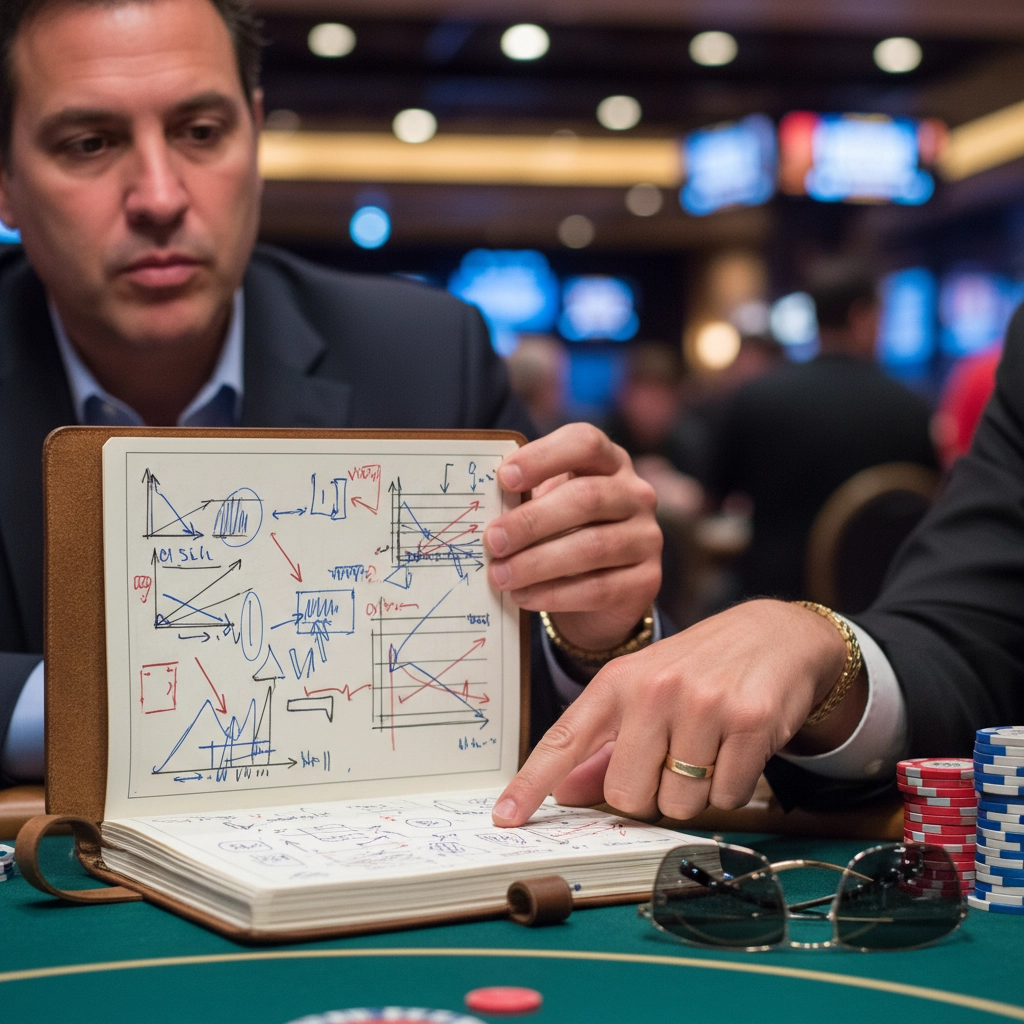
Negreanu is famous for extracting edges through observation. From the first orbits, start building opponent profiles: who bluffs, who over-folds, who chases draws. Record tendencies in your head in simple categories and adjust your ranges accordingly. When you act later, leverage those reads to widen your stealing range or to trap against over-aggressive players.
These early practices establish the information advantage you’ll need when blinds rise and decisions become more consequential. Next, you’ll apply these foundation skills to mid- and late-stage adjustments — including how to play when stacks get shallow, when the bubble arrives, and how ICM influences your choices.
Mid-Stage Transitions: From Information to Pressure
As antes grow and stacks begin to shorten relative to the blinds, the game shifts from pure information-gathering to extracting value and applying pressure. Negreanu’s mid-game is about converting the reads you built early into chips while keeping the variance manageable. Now is the time to widen opening ranges in position, increase aggression against predictable opponents, and defend more snugly in the blinds when it hurts them economically.
- Increase positional aggression: Open more hands from the cutoff and button to capitalize on folded blinds and small stacks. These pots are where you convert marginal hands into tangible equity.
- Target weak stacks and passive tables: When you spot callers who won’t challenge bets, lean into value-heavy play — larger value bet sizes on favorable textures squeeze more from their range.
- Adjust 3-bet ranges by opponent type: Against tight openers, 3-bet for value and isolation; against loose, passive openers, include more bluffs and wider value hands that play well postflop.
- Manage SPR (stack-to-pot ratio): Keep SPR low when you want to commit with top range hands; preserve higher SPR when you hold speculative hands and deep stacks allow maneuvering.
- Maintain psychological tempo: Use timing to your advantage—consistent, decisive actions build an image that your opponents will respect or misread in profitable ways.
Mid-stage poker is not a frantic rush to accumulate chips; it’s an orchestrated application of pressure. Be aggressive where the math and reads align, but resist hobbyist heroics that reset your stack-to-blinds ratio disadvantageously.
Mastering the Bubble and ICM Mindset
The bubble introduces Independent Chip Model (ICM) considerations that materially change optimal play. Negreanu stresses the importance of shifting from chip EV to real-money survival calculations: opponents’ fear of busting often creates fold equity you can harvest, but it also means you must avoid marginal confrontations with big stacks when the pay jumps are at stake.
- Exploit fold equity carefully: Steal more from medium and short stacks who fear busting, especially if they’ve shown a conservative image. But size your steals to minimize flip-risk against callers with calling range advantages.
- Respect big stacks when necessary: Avoid unnecessary clashes with large stacks unless you have a clear equity edge; they can bust you with minimal risk due to their leverage.
- Protect your survival equity: If you’re a medium stack, tighten marginal spots where losing chips would make comeback improbable. Conversely, big stacks should use bully-power to accumulate while others tighten.
- Short-stack doubles: When short-stacked, pick spots to shove where you have fold equity or sufficient equity vs calling ranges—AK, AQ, and pairs remain prime targets.
Recognize that ICM is a dynamic calculator in your head. The best players mentally weigh payout structures, stack distributions, and player tendencies simultaneously, then pick the action that maximizes real tournament value rather than raw chip EV.
Late-Stage and Final Table: Closing with Purpose
When you reach the final table, every decision magnifies. Negreanu’s closing strategy blends aggression, timing, and empathy for opponents’ ranges. You must selectively widen your range to exploit those clinging to ladder jumps, collapse when necessary to preserve fold equity, and never stop updating your reads as the dynamics change hand by hand.
- Move from exploit to mixed strategy: Balance bluffs and value bets to remain unpredictable. Your image now carries weight—use it to pick spots where a well-timed shove or re-steal wins big pots.
- Adjust bet sizing by opponent tendencies: Final table opponents are often more aware of ICM; use smaller sizes to induce calls from drawing hands or larger sizes to pressure tight players.
- Stay physically and mentally sharp: Short breaks, hydration, and reset routines keep decision quality high when fatigue otherwise steals edges.
- Close with intention: Each orbit should have a plan — are you building stacks, preserving position, or setting up a showdown? Intentional play turns marginal edges into tournament-clinching advantages.
Negreanu’s championship runs weren’t accidents — they were the result of methodical, adaptable plans executed with discipline. In the final stages, your ability to integrate math, reads, and patience determines whether you cash or hoist the trophy.
Before you go back to the felt, remember that the value in a champion’s playbook isn’t a set of rigid rules — it’s a framework for deliberate improvement. Use the ideas here as templates: try them, measure results, and tweak them to your own instincts and tournament contexts. Keep a short log of hands, prioritize rest and focus, and treat each session as controlled practice toward long-term gains.

Putting the Playbook into Practice
Make small, repeatable changes rather than overhauling your entire approach overnight. Start by choosing one early-stage habit (position-awareness, sizing consistency, or read-building) and apply it for several events. After each tournament, review pivotal hands with a critical but constructive eye. Over time, these marginal gains compound into a substantially stronger tournament game.
For reference on schedules, structures, and official tournament rules as you apply these strategies, consult the event organizer’s resources: WSOP tournament information.
Frequently Asked Questions
When should I change my strategy because of ICM pressure?
Shift to ICM-aware decisions whenever payout jumps materially affect survival value—commonly at the bubble and approaching major final-table jumps. Tighten marginal calling ranges and increase selective aggression against medium and short stacks who are likely fold-prone. Conversely, preserve your stack when a loss would dramatically reduce your payout equity.
How can I build useful reads without taking notes at the table?
Use simple mental categories and repeatable labels (e.g., “tight-passive,” “call-happy,” “timer-user”) and attach one clear action to each (fold more to their raises, value-bet thinner, exploit timing tells). Reinforce these reads by confirming them with a few sample hands, then adapt as you gather more data.
What’s a practical, tournament-friendly open and 3-bet sizing?
Standardize your open-raise to about 2.2–2.5x the big blind to simplify your ranges and preserve stack depth. For 3-bets, size relative to the open and stacks—often around 2.5–3x the open or 6–8x the big blind in deeper spots—balancing fold equity and postflop playability while avoiding overly large commitments that invite multiway action.