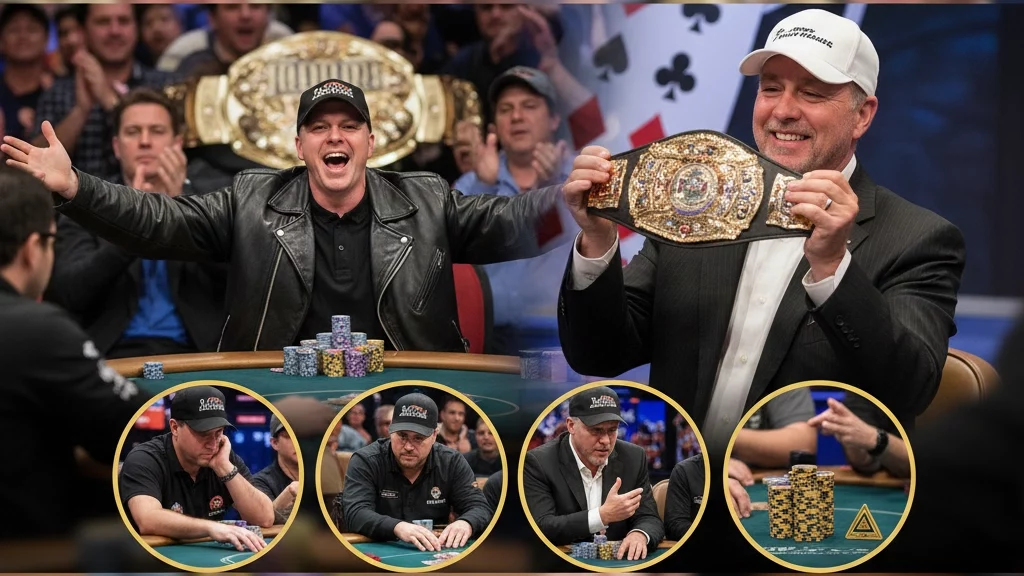
Fil Helmut’s (Phil Hellmuth) Greatest Moments at the WSOP
How Phil Hellmuth burst onto the WSOP scene and changed modern poker
When you study the history of the World Series of Poker, Phil Hellmuth’s early appearances stand out for more than just the bracelets and prize money. You witness a player who combined technical skill with an unmistakable personality, creating moments that shaped how spectators and competitors view tournament poker. In this section you’ll get a close look at his breakthrough, the context of the WSOP at the time, and why those first triumphs still matter for anyone trying to understand tournament strategy and table dynamics.
The defining early victory: the 1989 $10,000 Main Event
One of the earliest and most influential moments in Hellmuth’s WSOP career came in 1989, when he took down the $10,000 Main Event. At the final table he faced some of the strongest names in the game and ultimately defeated Johnny Chan in heads-up play. That win did more than earn him the bracelet and prize — it announced a new kind of tournament player: highly analytical, emotionally volatile, and mentally aggressive.
- Technical play under pressure: Hellmuth’s decision-making in key hands showed you how precise bet sizing and position awareness can close out big tournaments.
- Table image as a weapon: His outspoken behavior and confident table talk made opponents react, often inducing mistakes you can exploit.
- Adapting to a changing field: Hellmuth demonstrated how tournament formats and player pools force you to balance loose aggression with selectivity.
How the “Poker Brat” persona affected opponents and the game
You’ll notice that Hellmuth’s nickname, “The Poker Brat,” didn’t come from accident. Early in his WSOP career he frequently expressed frustration at opponents and sometimes at dealers, and those reactions changed how people played against him. Instead of simply dismissing the theatrics as showmanship, you should study how those emotional displays altered other players’ thought processes — making them more cautious, more tilted, or more likely to overplay marginal hands.
From a practical perspective, Hellmuth’s early years teach you that psychological leverage is a legitimate element of tournament strategy. You can use table talk, timing, and selective aggression to create fold equity and force opponents into uncomfortable decisions, but you must balance that with self-control so emotions don’t erode your own decision quality.
Early lessons you can apply at your next tournament
- Prioritize position and pot control: early WSOP hands show how Hellmuth used late position to extract value.
- Exploit and manage table image: know when to amplify a loose image and when to tighten up.
- Use psychology sparingly and strategically: small jabs or remarks can shift an opponent’s range—if you maintain composure.
These foundational episodes set the stage for a career filled with dramatic hands, multiple bracelet runs, and memorable rivalries; up next, you’ll examine Hellmuth’s most famous bracelet wins and the specific hands that cemented his legacy at the WSOP.

Why Hellmuth’s bracelet collection reflects true versatility, not luck
One reason Hellmuth’s WSOP record matters is the range of events in which he’s succeeded. His bracelets come from no-limit hold’em, but also from mixed formats and smaller buy-in tournaments where tournament dynamics change radically. That variety shows more than table-side bravado — it shows an ability to switch gears: tighten up in limit and mixed games, widen ranges and apply pressure in no-limit, and recalibrate aggression when structure or table composition demands patience.
Technically, that versatility rests on three pillars. First, hand-reading: Hellmuth constantly adjusts perceived opponent ranges and uses small timing tells to narrow decisions. Second, pot-control and bet-sizing: he knows when a half-pot bet forces tough folds and when to build a pot for value. Third, endurance and mental reset — long WSOP days punish players who can’t switch off mistakes between sessions. Hellmuth’s longevity demonstrates those skills aren’t situational; they’re repeatable and transferrable across formats.
Memorable final-table plays: the hands and lines to study
Rather than cataloguing events, it’s more instructive to look at the types of hands that recur in Hellmuth’s biggest wins. One common theme is the disciplined river value bet: Hellmuth will sometimes check-turn weak made hands but fire a finely sized river bet when the board completes a range that folds out bluffs. Another recurring line is the well-timed float — calling a turn with project or marginal made hand, then leading on the river to take advantage of opponents who over-fold to aggression.
He also demonstrates textbook short-stack survival. Against increasing blinds he narrows to high-equity spots and picks precise shove or shove-or-fold moments that maximize fold equity while preserving chances to double. Conversely, his heads-up play often shows aggressive use of position — widening ranges, using sizing to deny pot odds, and applying pressure to force margins of error. For tournament players, dissecting these lines (river value vs. bluff, turn floats, short-stack shove timing) yields concrete adjustments you can practice in session work.
Rivalries, table dynamics, and the psychology of late-stage WSOP play
Some of Hellmuth’s most memorable WSOP moments come from repeated encounters with top pros. Those rivalries do more than produce headline hands; they create long-term psychological edges. Facing the same adversary multiple times lets a player exploit known tendencies — aggression in spots, vulnerability to tilt, or patterns in show-down frequency. Hellmuth uses that institutional memory to craft pressure points late in tournaments.
From a practical standpoint, the lesson is twofold: keep detailed mental notes on opponents’ patterns, and use selective psychological pressure without sacrificing decision quality. Hellmuth’s successes at the WSOP show how the combination of technical adjustments, repeated opponent study, and calibrated emotional tactics can turn final-table chaos into a controllable, repeatable path to victory. Study his lines, then adapt them to your own temperament and tournament structure.

Hellmuth’s enduring influence on the table and beyond
Phil Hellmuth’s presence at the WSOP is less a single highlight reel than an ongoing conversation about how personality, psychology, and technical skill interact under pressure. His approach forced opponents and audiences to reconsider what matters at the final table: not just the cards you hold, but the timing of your bets, the story you tell with your actions, and the emotional rhythm you set for the table. Whether you admire or bristle at the “Poker Brat” persona, the strategic fingerprints Hellmuth leaves on modern tournament play are unmistakable—and worth studying directly through hand histories and broadcasts.
If you want to watch those moments yourself, the WSOP archives and event pages are an excellent starting point: WSOP official site.
Frequently Asked Questions
Why is Phil Hellmuth nicknamed the “Poker Brat”?
The nickname comes from his outspoken table behavior and visible emotional reactions during play. As described earlier, those displays have affected opponents’ decisions and become a tactical—if controversial—part of his game.
What practical lessons can tournament players take from Hellmuth’s WSOP play?
Key lessons include prioritizing position and pot control, using bet-sizing to shape opponents’ ranges, timing shove-or-fold moves as a short stack, and applying psychology selectively—balancing pressure with discipline so emotion benefits your table strategy rather than harms it.
Are Hellmuth’s WSOP achievements the result of luck or skill?
While variance plays a role in any tournament run, his bracelet collection and repeated deep finishes reflect adaptability across formats, strong hand-reading, precise bet-sizing, and endurance—skills that indicate sustained competence rather than mere luck.