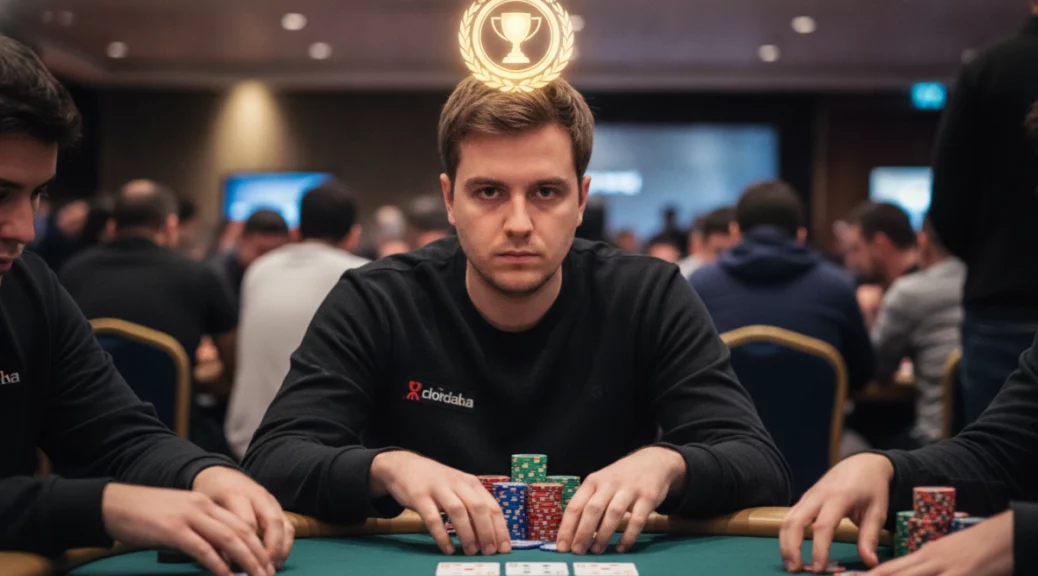
Fedor Holz poker: Complete biography and career highlights
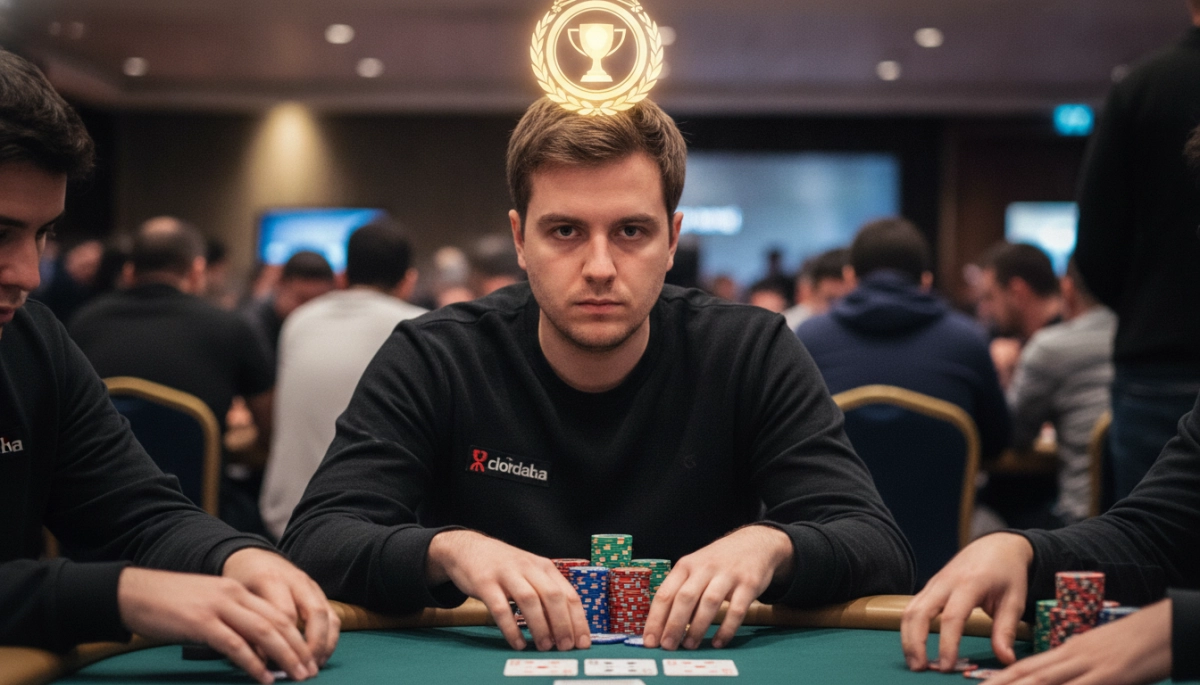
Why Fedor Holz matters in modern poker and what you should know first
You may already recognize Fedor Holz as one of the most influential faces of the high-stakes poker era of the 2010s. As a young German player who transitioned from online micro-stakes to the most lucrative live tournaments, Holz helped define what it means to be a modern tournament specialist. In this section you’ll get context on his importance, the style that set him apart, and why studying his path is useful if you want to understand contemporary poker success.
Context: the modern high-roller phenomenon and Holz’s role
When the poker scene shifted toward high-buy-in events and elite fields, the players who adapted most successfully combined technical study, emotional control, and risk management. Holz became emblematic of that shift. You’ll see recurring traits in his career: a quick adoption of solver-driven strategy, disciplined bankroll choices, and a willingness to play the biggest tournaments against the best players. Those traits explain both his rapid ascent and his influence on younger pros.
How Fedor Holz started: from online tables to focus on tournaments
You should understand that Holz’s beginnings were typical of many modern pros: he honed skills online before moving to live play. Born in Germany in 1993, he began playing competitively as a teenager and learned the fundamentals through volume and study. Rather than relying solely on intuition, he embraced structured analysis and began to apply a data-driven approach to decision-making.
Early development and the online grind
- Learning curve: You’ll find that Holz invested significant hours in online MTTs (multi-table tournaments), where variance is high but experience compounds quickly.
- Study habits: He combined hand history review with theory, gradually shifting from broad experience to targeted improvement using tools and solvers.
- Transition point: Once comfortable with tournament dynamics, Holz began to test himself in live events and sought tougher competition.
First live appearances and the beginning of a breakout phase
When you track his early live-career steps, two patterns stand out: steady climbs in buy-in levels and strong performances in high-variance, high-reward events. Rather than immediately diving into every big tournament, he selected events that matched his evolving skill set and bankroll tolerance. That selective approach reduced unnecessary exposure and maximized learning opportunities from top-level opponents.
In these formative years you’ll notice how Holz reinforced his strengths—aggression, hand-reading, and endgame proficiency—while addressing weaknesses through deliberate practice. He also began to build a public profile through interviews and strategy content, influencing the next generation of players.
Next, you’ll examine the specific tournaments, key wins, and defining moments that propelled Holz from promising talent to one of the highest-earning and most discussed players on the global poker circuit.
Defining tournaments and the 2016 breakout year
Holz’s rise from promising contender to headline act didn’t hinge on a single victory so much as a concentrated sequence of deep runs and high-stakes wins. Over a short window he began to convert frequent final-table appearances into large paydays, particularly in the growing ecosystem of super-high-roller events. Those results brought two effects: immediate bankroll explosion and a reputation shift — opponents now prepared specifically for him.
What made the breakout stretch remarkable was the combination of consistency and variance control. Holz didn’t simply score one big score; he repeatedly navigated crowded fields and short-handed, high-roller tables where mistakes are punished quickly. As those results accumulated, he vaulted into the upper ranks of the all-time live earnings list and became one of the most talked-about players at any table he entered. For viewers and aspiring pros, that period offered a clear case study in how selective scheduling (choosing events that matched risk tolerance and skill) plus elite-level execution can accelerate a career.
Beyond the cheques, a few on-table moments became defining because they revealed his strengths: precision in ICM-heavy spots, a fearless but calculated approach to three-betting and shove-fold decisions, and an endgame feel that consistently left him standing when fields shrank to their toughest phases. Those hands and final tables cemented his status not only as a big-money winner but as a player whose decisions shaped contemporary tournament theory.
How Holz refined his edge off the felt: study, discipline, and selective play
Holz’s technical skill is rooted in how seriously he treated the non-playing aspects of poker. He adopted solver-driven learning early, dissected hands with coaches and peers, and treated each tournament like a project: pre-event preparation, mid-event adjustments, and thorough post-mortem review. That process-oriented mindset separated him from many peers who relied primarily on feel or volume.
- Study and tools: Holz leaned into modern software and collaborative review, using simulations to test lines and to remove guesswork from complex spots.
- Mental game and routines: He emphasized emotional control and shot selection, recognizing that tilt and overexposure cost more than a single lost pot — they erode long-term profitability.
- Business decisions: As his bankroll and profile grew, Holz made deliberate choices about sponsorships, branding, and when to step away from the gauntlet of weekly high-roller events. Rather than burn out, he became more selective, focusing on events that balanced challenge, variance, and personal interest.
That combination of rigorous study, disciplined bankroll management, and conscious career choices explains why Holz’s story is informative beyond headline results. He showed a template for sustainable success: treat poker as a craft and a business, and be willing to change the tempo of your career to protect both your edge and your life outside the game.
Looking forward: Fedor Holz’s continuing influence
Fedor Holz remains more than a collection of results; he’s a continuing influence on how modern players approach the game, the balance between life and poker, and the use of technology to improve. Expect his impact to show up in three places: selective live appearances that prioritize meaningful competition, content and products that translate high-level ideas for a wider audience, and business or personal projects that reflect the same deliberate decision-making he applies at the table.
- Watch his table choices: Holz now favors events that align with personal goals rather than a rigid grind schedule.
- Look for educational output: his approaches to study and mental preparation are often shared through interviews, streams, and collaborations.
- Follow his ventures: as many top pros diversify beyond play, Holz’s off-table moves are part of his broader footprint in the poker and startup worlds.
For a snapshot of his live-result history and ongoing tournament activity, see Fedor Holz on Hendon Mob. Whether you study him for strategy, career planning, or mindset, Holz’s path offers practical lessons about focus, adaptation, and the value of treating poker as both craft and career.