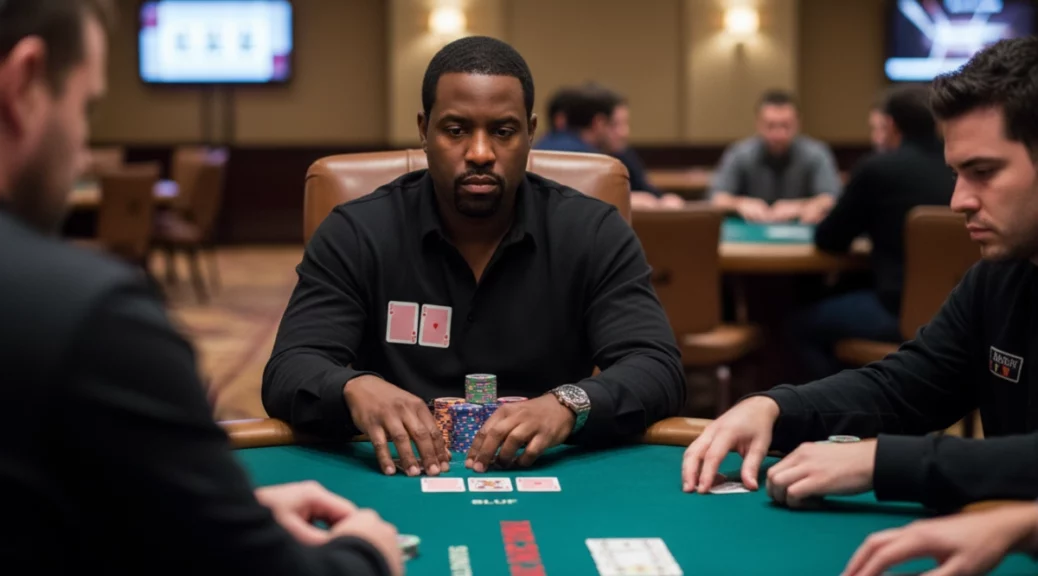
Phil Ivey Poker Strategy Breakdown: Bluffing, Reads & Game Selection
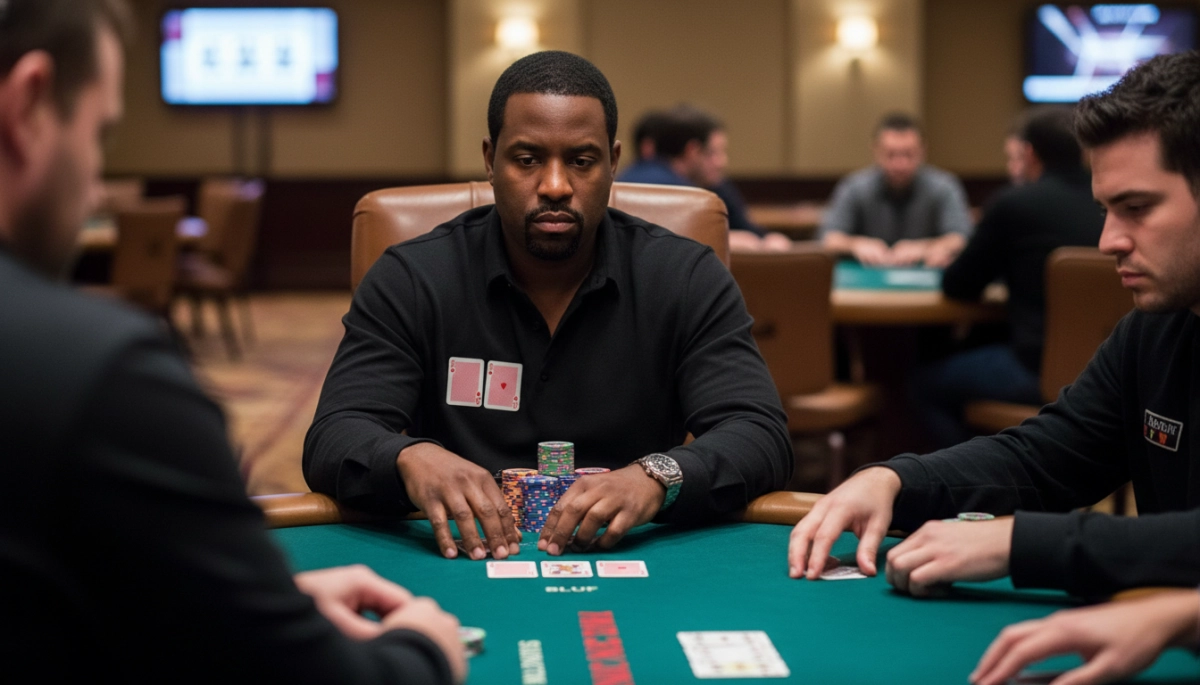
How Phil Ivey’s Approach Reframes Your Poker Decision-Making
You can learn a lot from Phil Ivey without trying to copy every detail of his game. What matters is the thinking behind his actions: risk management, information leverage, and timing. Ivey’s play is not just about showing daring bluffs; it’s about constructing situations where a bluff has the highest expected value and where your reads compound the advantage you already have.
Start by changing one habit: stop treating aggression as a style and begin treating it as a tool. When you view bets and raises as tools to manipulate ranges and reactions, you’ll start making choices that match Ivey’s underlying logic. Below are core principles to adopt immediately.
- Make aggression selective: apply pressure when the pot odds, stack sizes, and table image align.
- Exploit marginal edges: small, repeatable advantages compound faster than rare hero calls.
- Prioritize information: every bet and action is data you can use on later streets and hands.
Bluffing with Purpose: When to Put Pressure
Bluffing isn’t random or purely theatrical for Ivey — it’s calculated. You should only bluff when the fold equity plus potential showdown gains exceed the cost of being called. That means you must evaluate who you’re up against, the likelihood they can make hands that beat you, and the story your betting line tells.
Use these quick checks before launching a bluff:
- Opponent profile: Does this player fold to pressure or call light? Target the former.
- Board texture: Are the cards coordinated or dry? Dry boards make your bluffs cleaner.
- Bet sizing and story: Can your bet sequence convincingly represent a value hand?
Phil often mixes blocker awareness into his bluffing decisions — you can, too. If you hold cards that reduce the combinations of strong hands your opponent could have (blockers), your bluff frequency can safely increase. Practice identifying blockers quickly and incorporating them into your decision tree.
Reading Players Early and Choosing the Right Games
Your edge grows when you combine sharp reads with disciplined game selection. Ivey chooses environments where his skill differential matters most: softer opponents, structures that reward deep thinking, and stakes that align with his bankroll goals. You should adopt a similar filter when you pick a table or tournament.
Practical read-building habits
- Track basic tendencies: aggression, showdown frequency, and reaction to 3-bets.
- Assign a simple tag after a few orbits (e.g., tight/passive or loose/aggressive).
- Adjust your ranges immediately when new, reliable information appears.
By pairing targeted bluffing with focused reads and selective game choice you’ll start to replicate the structural advantages Ivey exploits. In the next section we’ll dissect specific bluffing lines and live tells, plus give a step-by-step game-selection checklist you can use at your next session.
Bluffing Lines Deconstructed: Turn and River Decisions
Bluffing is rarely a one-street proposition at Ivey’s level. The decision you make on the turn often determines whether the river bluff is viable — and whether it’s a value bet in disguise. Break your multi-street bluffs into three decision nodes: preflop (range construction), turn (equity and narrative), river (final story and sizing).
- Preflop: Use position and preflop range to justify later aggression. A defend or 3-bet that preserves equity with many turn cards allows more credible turn-bluffs (semi-bluffs).
- Turn (semi-bluff vs pure continue): If the turn improves many of your perceived value hands (e.g., pairing the board or completing a gutshot), a continuation bet tells a coherent story. If it doesn’t, only continue when your blockers or opponent tendencies suggest fold equity remains. Ask: does my line still represent a range that includes strong made hands?
- River (all-in or check): On the river you’re either pushing fold equity or conceding. Use larger sizing when the pot is close to the size where a call would be marginal for your opponent; use smaller sizing when you want to deny correct odds to a specific calling range.
Concrete line example: Hero in late position with A♦10♦, raises preflop, villain calls. Flop K♠7♦3♦ — continuation bet (semi-bluff, backdoor diamond). Turn 2♣ — check to control pot and evaluate. Villain checks back. River J♦ — now you have a believable made-hand story and a diamond blocker. A well-sized river bet (60–80% pot) leverages the blocker and the board story; if villain shows frequent check-fold behavior earlier, you can push larger. If villain is sticky and calls marginally, downsize or check to avoid value loss.
Know when to quit: if the opponent shows a line consistent with slow-played monsters (big bet on a scary river, snap-call on the flop), your bluff frequency should drop substantially.
Live Tells, Timing, and Subtle Physical Edges
Ivey treats live tells as incremental — not decisive — information. Tells confirm or contradict the range you’ve assigned, and the best players use them to adjust frequencies, not make absolute calls. Here are practical, repeatable tells and how to weight them.
- Timing: Quick checks or instant calls often indicate marginal hands; long pauses before a bet can indicate either strength or construction of a bluff. Compare an opponent’s current timing to their baseline.
- Micro-movements: Breathing, lip compression, and chip handling are reliable only when they’re consistent and paired with betting patterns. A trembling hand while stacking chips into the pot suggests nervousness more than confidence—but only after you’ve observed it multiple times.
- Betting choreography: Players who count out exact bet amounts before pushing often have stronger hands; hurried, sloppy shoves can indicate a wider range. Again, context is king.
- Non-physical cues (online): Bet size deviations, timing between actions, and emoji/chat behavior can substitute for live tells at the virtual table.
Actionable rule: assign small weight to a tell (10–20% influence) unless it consistently predicts showdowns. Use tells to adjust bluff frequency or to choose which opponent to pressure at the table, rather than as the sole justification for a high-variance hero call.
A Practical Game-Selection Checklist You Can Use Tonight
- Scan table composition: target tables with multiple calling stations and one player who over-folds to aggression.
- Stack depths: prefer deeper stacks where postflop skill matters and semi-bluffs have equity.
- Structure and rake: longer structures with lower effective rake favor skill edges; avoid tables with high rake and short stacks.
- Seat position: take seats to your left of loose callers and to the right of aggressive raisers you can exploit.
- Time and tilt: avoid starting sessions when you’re tired or emotionally compromised; join later if early players are overly volatile.
- Bankroll fit: ensure the buy-in aligns with your risk tolerance; the right edge is useless if a single swing knocks you out.
Use this checklist as a quick ritual before every session. Phil’s advantage often begins not at the felt but in the choice of which felt to sit at.
Putting Ivey’s Principles into Practice
Theory becomes skill only through deliberate, repeatable practice. Commit to small, measurable experiments: one session focused on selective aggression, another on blocker-based bluffs, another on read-building. Track outcomes, refine what works, and discard what doesn’t. When you pair disciplined study with table-level discipline, advantages compound quickly.
A short practice checklist
- Run a 20-hand lab: select one adjustment (e.g., bluff sizing, timing reads) and record each hand’s result and reasoning.
- Review hands with a tool or coach; compare your intentions to actual outcomes and note pattern shifts.
- Use a pre-session table scan ritual—apply the game-selection checklist from this guide before sitting.
- Log one live-tell or timing pattern per opponent per session; only act when it’s repeated and reliable.
- Watch high-level play to see lines executed in context — for examples and inspiration check out WSOP footage.
Keep improvements incremental: change one variable at a time, protect your bankroll, and treat every session as data collection. Over time these small, rational adjustments will move your decision-making closer to the clarity and edge Phil Ivey demonstrates at the felt.