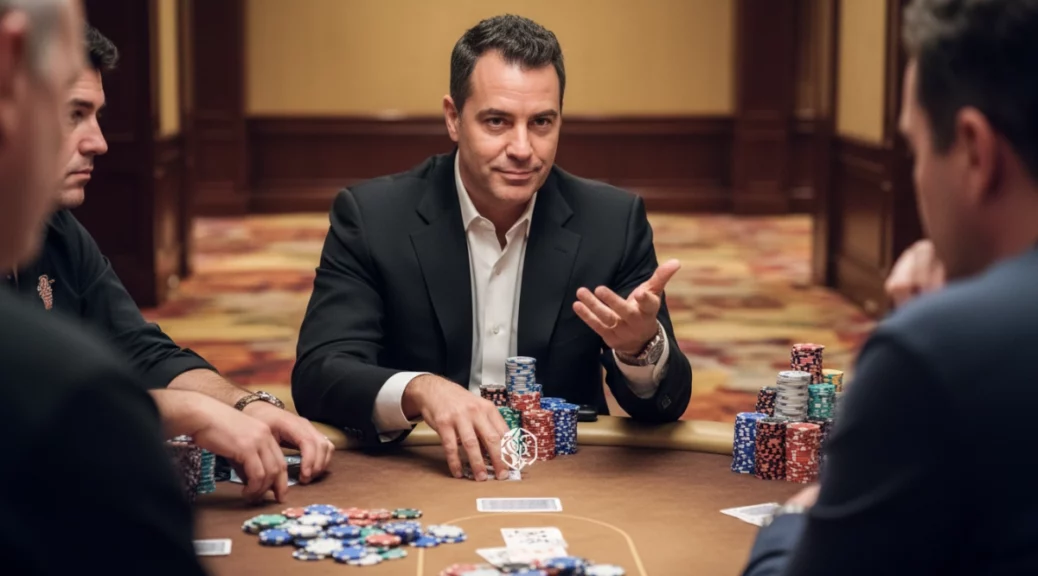
Phil Ivey Poker Strategy Tips for Tournament and Cash-Game Success
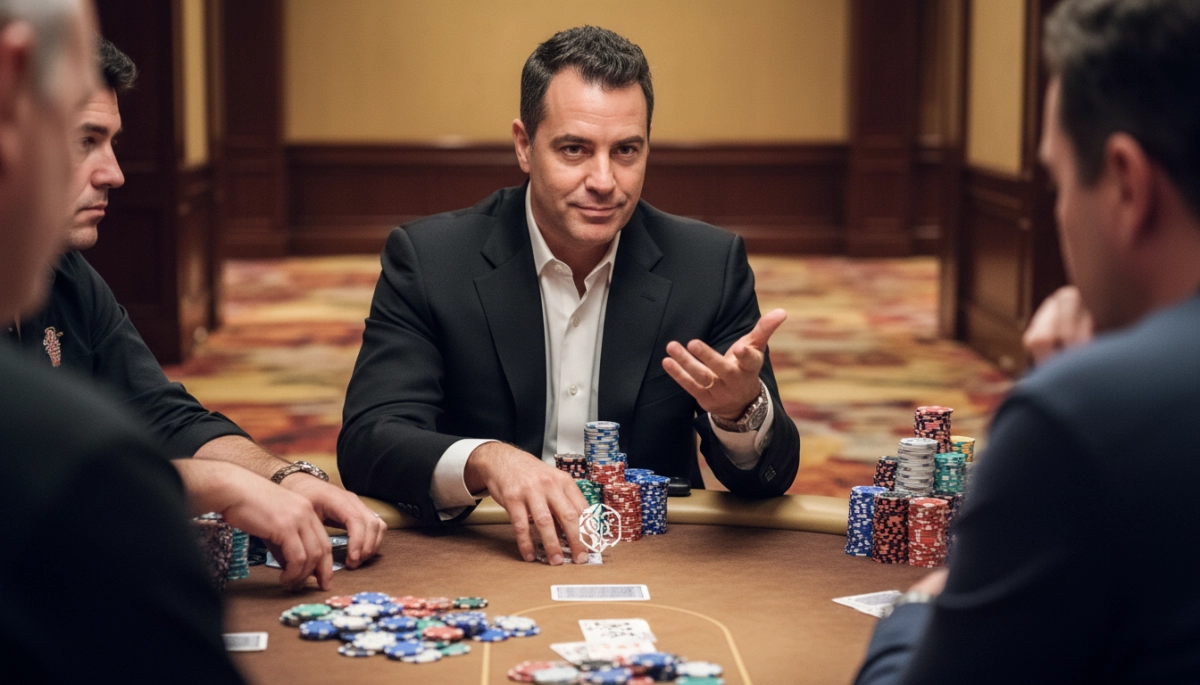
Why Phil Ivey’s Style Is a Useful Template for Your Game
You don’t need to be the most naturally gifted player at the table to benefit from Phil Ivey’s methods. What makes Ivey instructive is not just his raw results, but the repeatable habits behind them: intense focus, dynamic range construction, and an ability to change gears based on opponents and stack sizes. As you study his approach, you’ll find practical lessons that transfer directly to both tournament play and cash games.
Adopting these habits will help you make fewer mistakes, exploit weaknesses more consistently, and build a clearer plan for every phase of a hand. The next sections break these habits into core principles you can practice immediately and explain how to start adapting them depending on whether you’re facing deep-stacked cash play or tournament pressure.
Core Principles You Can Apply Immediately
Begin by internalizing a few foundational elements that underlie Ivey’s decisions. Each principle below is concise so you can practice and audit your own play.
- Focus on range, not just cards. You should think in terms of the full spectrum of hands an opponent could have, and how your actions shape that perception. This reduces misreads and helps with balanced aggression.
- Exploit tendencies quickly. Notice recurring patterns—who folds too much to 3-bets, who overcalls with weak draws—and adjust your frequencies. Ivey often profits by escalating pressure on predictable players.
- Prioritize position as leverage. When you have position, you gain extra information and control. Use that edge to widen your continuation bet and bluff ranges; out of position, tighten and look for safer lines.
- Bet sizing is expressive. Size your bets to communicate or obscure your range as needed. Smaller sizes can keep weaker hands in; larger sizes can fold out marginal equity. Make sizing choices consistent with your narrative.
- Mental game and emotional control. Maintain discipline during swings. Ivey’s long-term success is as much about emotional regulation as it is about technical skill—don’t tilt yourself into predictable mistakes.
Starting to Separate Tournament and Cash-Game Tactics
At this stage you should begin to treat tournaments and cash games as sibling disciplines rather than twins. In tournaments, survival and ICM considerations change which spots are profitable; in cash games, chips equal monetary value and you can often play more exploitatively without short-term elimination risk. For now, start by adjusting your risk tolerance and opening ranges: tighten when blinds threaten your tournament life; expand when deep stacks in cash allow multi-street maneuvering.
These initial concepts give you a practical framework to emulate Ivey’s decisions. In the next section, you’ll get concrete, situation-by-situation tactics: hand-selection charts, 3-bet and cold-call guidelines, and bet-sizing ranges tailored for tournament versus cash-game scenarios.
Practical Preflop Ranges: When to Open, 3‑Bet, and Cold‑Call
Translating Ivey’s preflop discipline into your chart starts with two simple rules: tighten into pressure and widen with deceptive leverage. Use these starting points and then adjust for opponent type and stack depth.
- Open-raising (cash game, deep stacks). Default to 2.25–2.75bb opens from early/mid positions and 2.5–3bb from the button and cutoff. Open a standard range: UTG: strong broadways and premium pairs (JJ+, AQs+); MP: add AJs‑ATs, KQs, 88+; CO/BUTTON: widen to A2s+, K9s+, Q9s+, suited connectors 54s+ and broadway combinations. Deep stacks favor more speculative hands because you can maneuver postflop.
- Open-raising (tournaments, rising blinds). Increase sizing slightly (2.5–3.5bb) and tighten UTG/MP ranges as the blinds and antes grow. When ICM is relevant, fold marginal speculative hands from early positions; preserve fold equity and stack depth for better spots.
- 3-bet strategy. In cash games 3‑bet more liberally as a mix of value and light (polarized approach). 3‑bet to roughly 3–4x the open-size (≈8–12bb total). In tournaments, prioritize value 3‑bets against players who will call lighter, and use light 3‑bets selectively where fold equity is high or the opponent is predictable. Steer clear of hero calls with marginal hands when ICM is tight.
- Cold-calling. Cold-call more often deep in cash games (suited broadways, suited connectors, medium pairs) when you can realize equity postflop. In tournaments, cold-call predominantly from late position or when stacks are deep; otherwise fold or 3‑bet to reduce multiway complications and preserve fold equity.
Postflop Plans: Board Texture, SPR, and When to Switch Gears
Ivey’s postflop edge comes from sizing and line choices keyed to SPR (stack-to-pot ratio) and board texture. Use these heuristics:
- Low SPR (≤3): commit or fold early. When the SPR is small — common after 3‑bets and shallow tournament stacks — play straightforwardly: polarized value lines, fewer bluffs, and avoid speculative floating. Convert medium-strength hands to value bets rather than complex bluffs.
- Medium SPR (3–7): exploit turn playability. Here you can use blockers, turn bet-sizing, and delayed aggression to press advantages. On dry boards (K‑7‑2 rainbow), c‑bet 50–65% for fold equity; on wet boards (two-tone connected), reduce c‑bet frequency and size to 30–40% unless you have strong equity or backdoor outs.
- High SPR (7+): maneuver and realize equity. Deep-stacked cash spots favor float/call lines with drawing hands and planned multi-street bluffs. Use small-to-medium bets to keep worse hands in and leverage position for larger later bets when the villain shows weakness.
- Use blockers and narrative consistency. When bluffing on the river, prefer hands that block the opponent’s strongest calls (e.g., A‑x when representing top pair). Always match your bet sizes and lines to the story you’ve told since preflop to avoid giving away ranges.
Bet Sizing Templates for Tournaments and Cash Games
Consistent, purposeful sizes are a hallmark of Ivey’s game. The templates below are starting points you can practice and adapt.
- Preflop opens. Cash: 2.25–2.75bb early, 2.5–3bb late. Tournament: 2.5–3.5bb depending on blind pressure.
- C-bets on flop. Dry board: cash 30–40% pot, tournament 40–60% pot (use larger to buy folds when necessary). Wet board: cash 40–60% pot to charge draws; tournament 50–70% where fold equity is valuable.
- Turn and river sizes. Move from smaller to larger bets as you polarize. Value bets on river typically land between 50–80% pot depending on the villain’s calling tendencies. Bluffs should be sized to maximize fold equity without overcommitting when counterfeited.
- 3-bet and 4-bet sizing. 3‑bet to 2.8–4x the open in cash; in tournaments, lean toward the higher end when you need fold equity. 4‑bets should reflect polarization — a mix of nutted value and well-chosen bluffs with blockers.
Practice these templates, then audit hands: did your sizing tell a coherent story? If yes, you’re thinking like Ivey — purposeful, adaptable, and always looking to maximize the information edge.
Putting Ivey’s Principles into Practice
Daily and Weekly Habits
- Set one clear table-goal per session (e.g., tighten 3‑bet defence, practice turn sizing) and review whether you hit it afterwards.
- Do a focused hand-review block each week: pick 20–50 hands with discretionary spots and annotate your reasoning before checking solver or coach input.
- Keep brief, consistent notes on opponents—categorize tendencies so you can exploit them quickly in future sessions.
- Protect the mental game: schedule short breaks, limit session length when tilted, and maintain bankroll rules that match your risk tolerance.
Tracking Progress and Adjusting
- Measure simple, objective metrics: win rate (bb/100 for cash, ROI for tournaments), frequency of key leaks (over-bluffing, cold-calling too often), and ICM mistakes in late stages.
- Prioritize fixing one leak at a time. Small, consistent adjustments compound faster than trying to overhaul everything at once.
- Use peers or a coach for accountability—regular feedback accelerates improvements and keeps you honest about weaknesses.
Further Study
For reference on Phil Ivey’s tournament results and history, see Phil Ivey’s Hendon Mob profile.
Adopting a champion’s habits is less about copying specific plays and more about committing to thoughtful, disciplined improvement. Keep practicing deliberately, review with intention, and let results follow the process. Good luck at the tables.